Built on the science of human connection.
Serra is a small, warm, physically present companion, not an app and not a screen on a wall. Underneath it is serious technology, and all of it runs inside your facility.
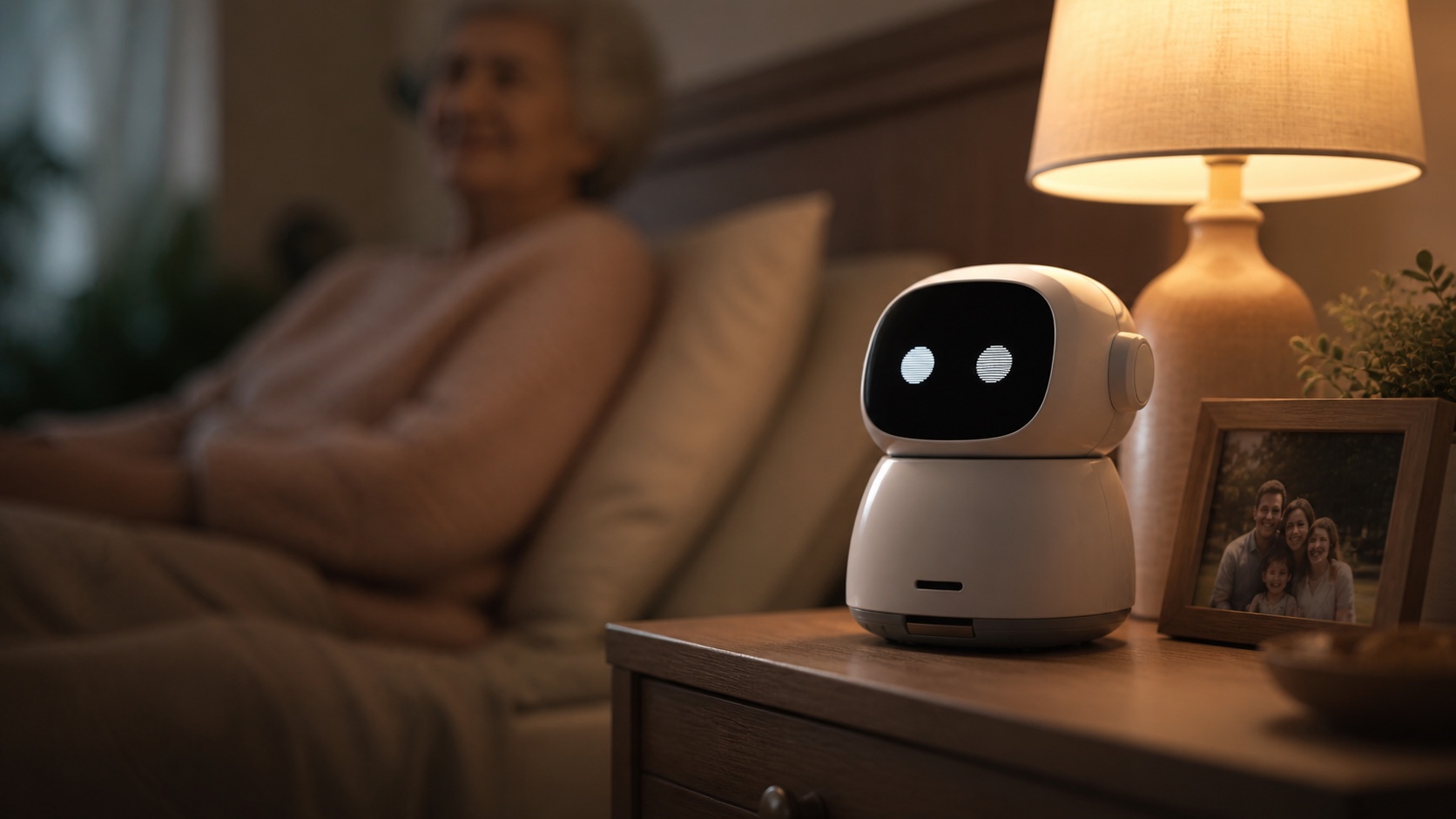
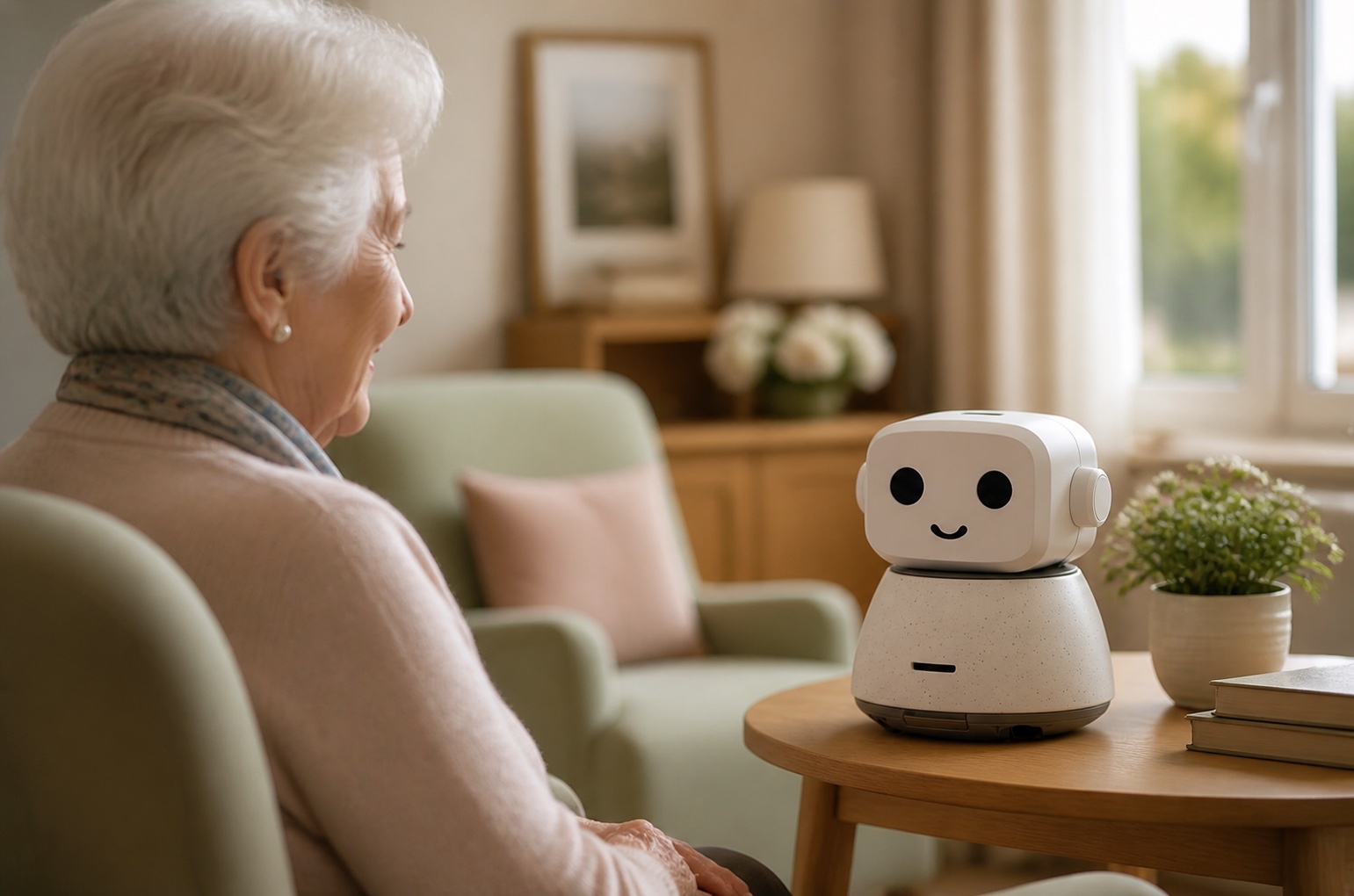
It understands the room, not just the words.
Serra uses vision and voice together to read how someone is doing. If they sound tired, it shortens the conversation. If they seem low, it checks in gently rather than launching into a quiz.
Conversation that feels like conversation.
Serra holds a real conversation rather than responding to commands. It is also bounded: no medical advice, no diagnosis, no clinical decisions. Where a question belongs with a person, Serra says so.
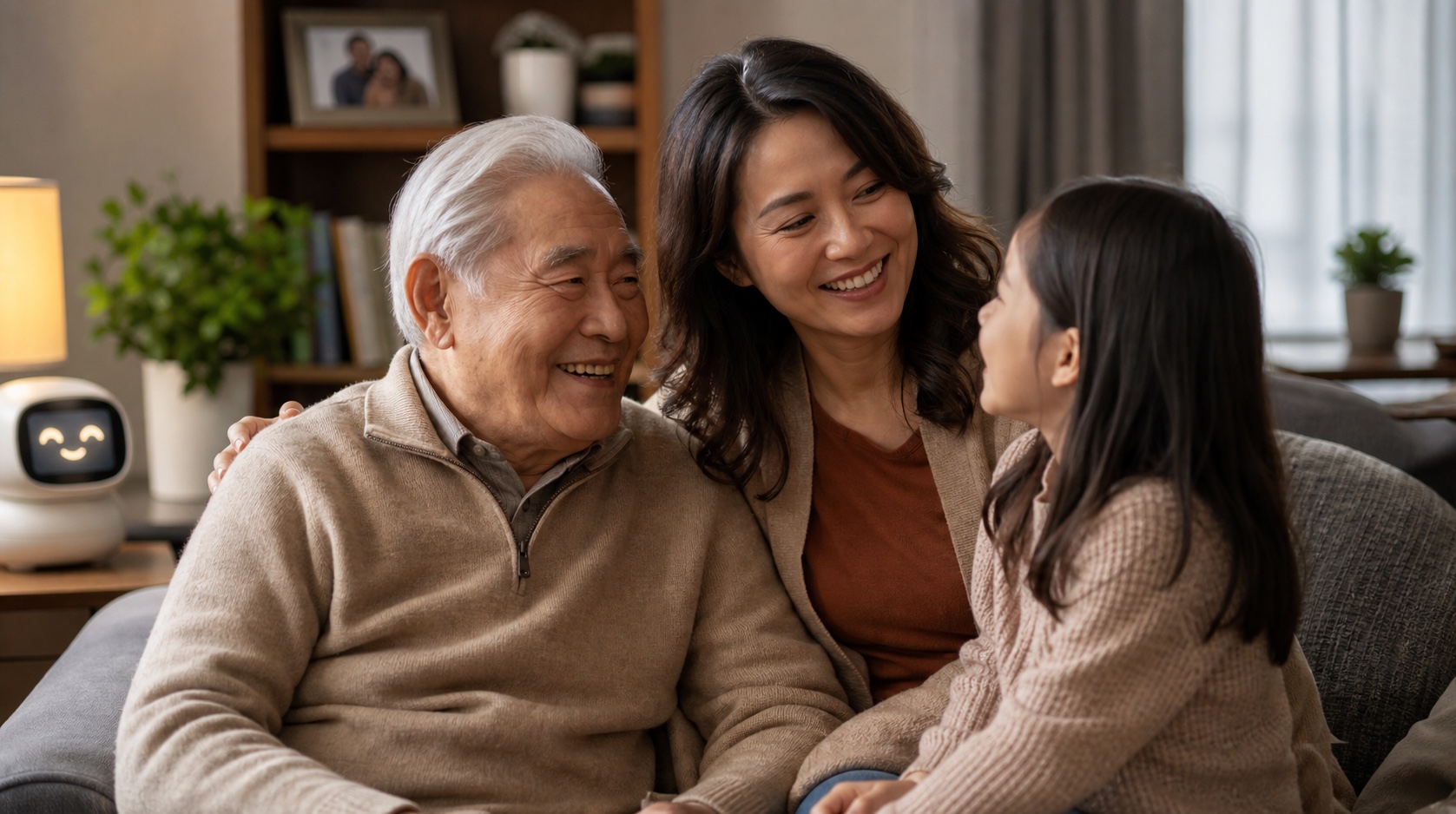
A memory that builds a relationship.
Serra remembers names, family, history and the topics that light someone up. It also captures what care teams struggle to see: a gradual drop in engagement or a shift in mood, weeks before a routine review would catch it.
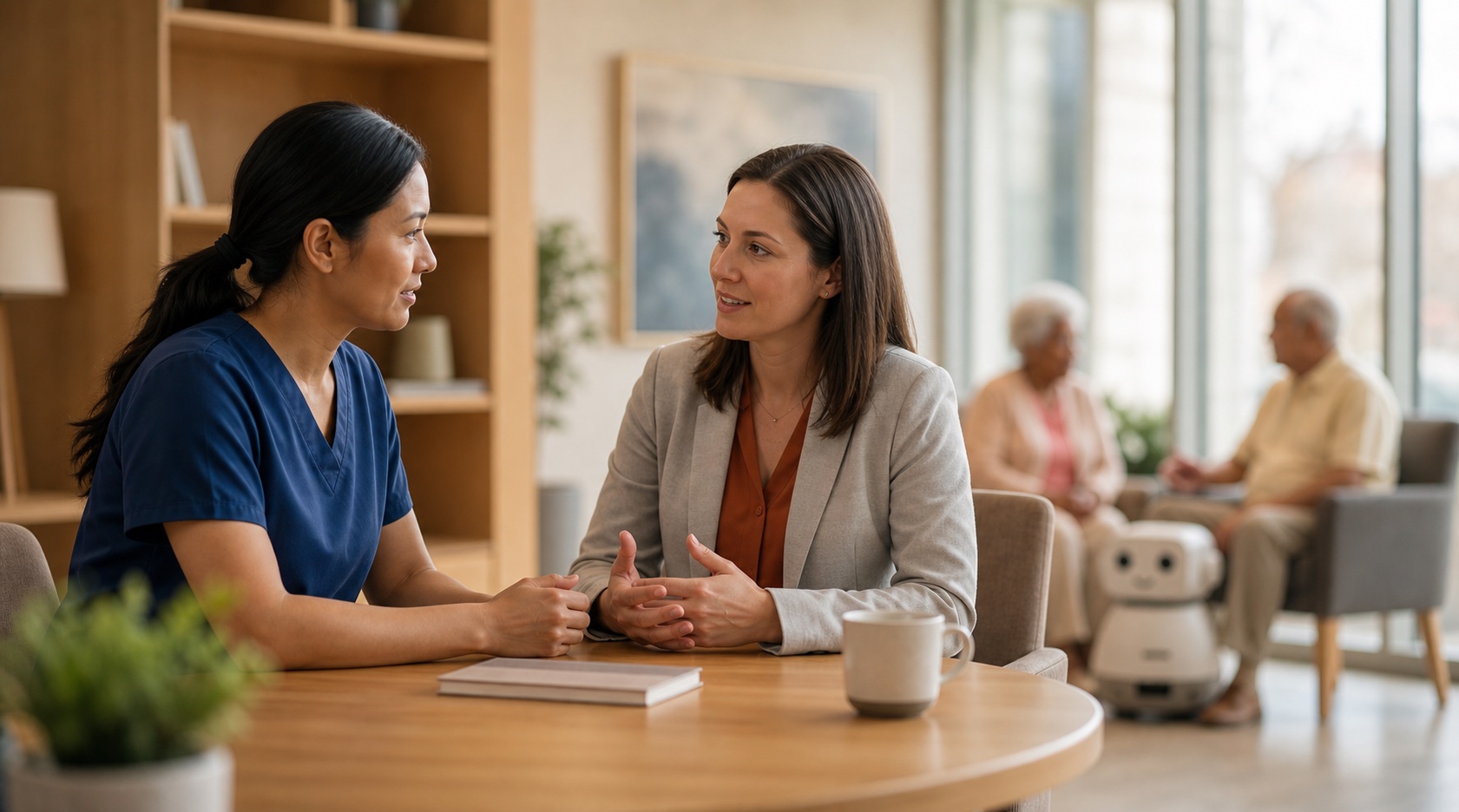
Safety is built in, not bolted on.
Clear guardrails, defined escalation so that concerning situations reach a human quickly, and a complete record for families, managers and auditors.
Your data never leaves your building.
Every Serra connects to the Serra Hub, a secure unit installed on site.
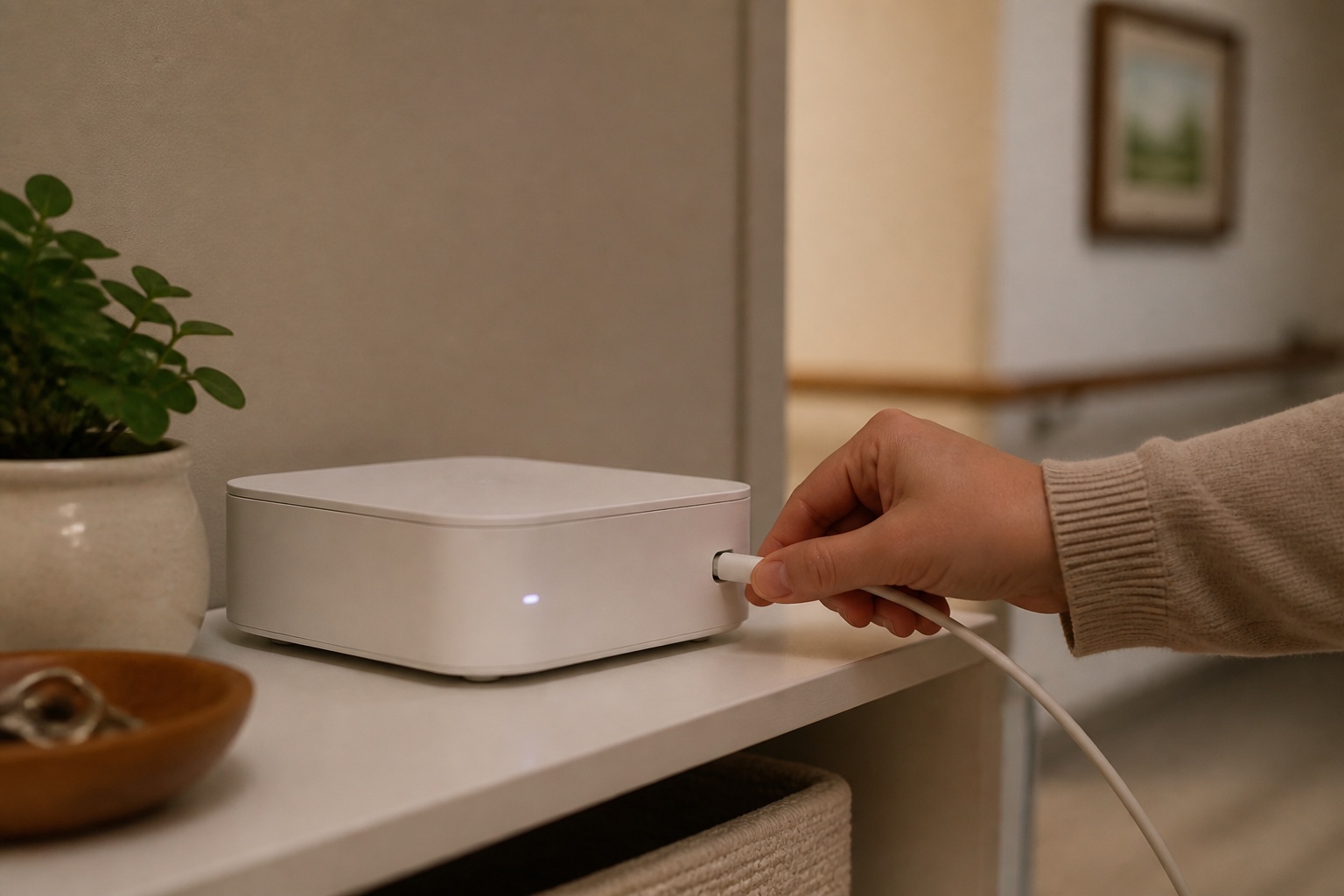
Private by design.
All processing, conversation and memory happen on that hub, on your network. Nothing is sent to an overseas cloud service or used to train external models. The infrastructure is Australian-owned.
A Serra in each room, one hub per site.
A Serra in each room or shared space, one hub per site, power and a network connection. No integration project.
Most pilots are running within weeks of sign-off.
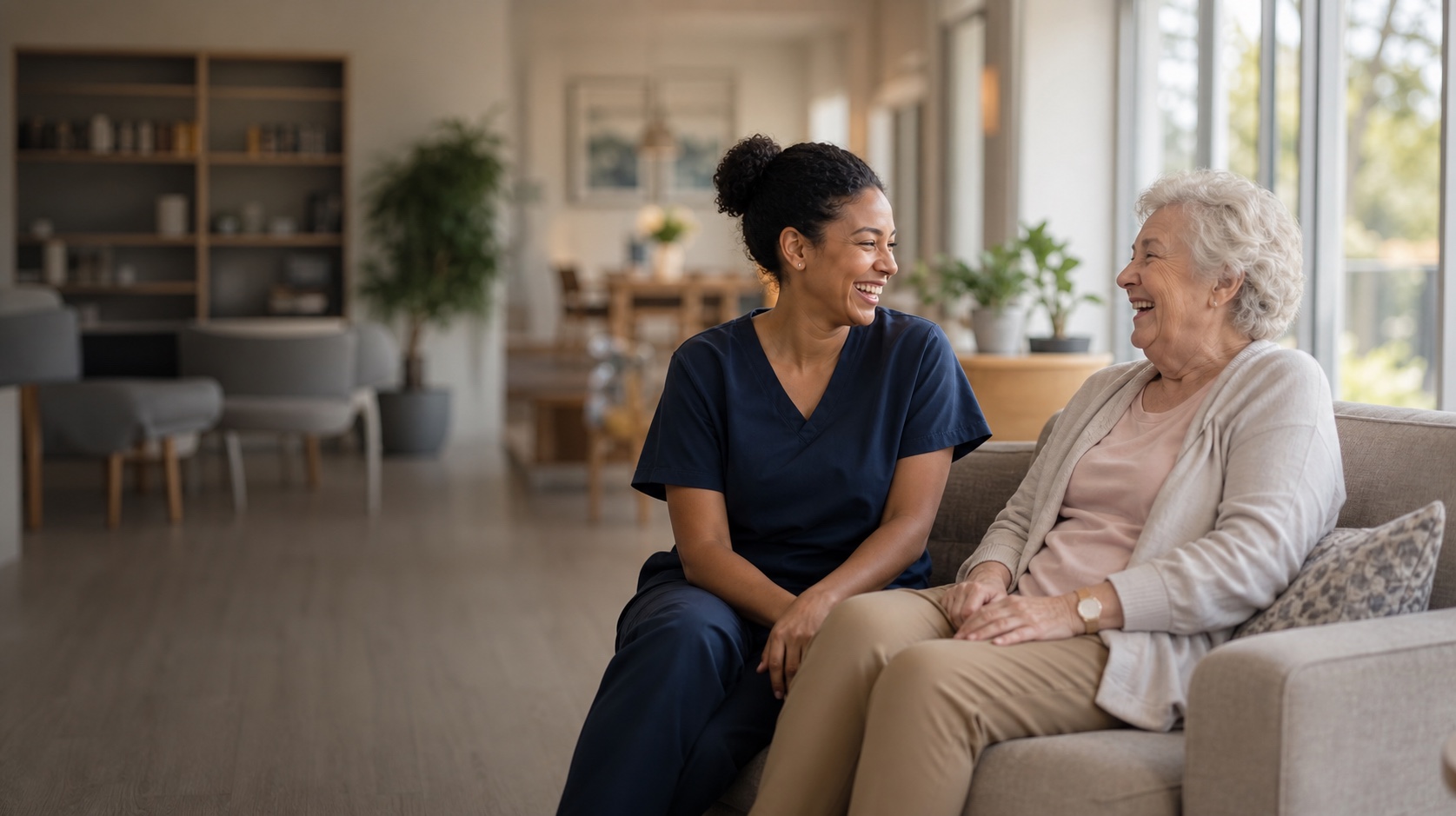
The future of care starts here.
Whether you are an aged care provider, disability service, research institution or investor, we would love to hear from you.